
代孕國家:國际代孕目的地完整指南
Choosing where to pursue surrogacy is one of the most consequential decisions you will make. The country you select determines everything from your total cost and timeline to your legal rights and the level of protection you and your surrogate will have.
With surrogacy laws varying dramatically across the globe, understanding your options across different regions is essential. This guide breaks down the top surrogacy destinations by region, compares key factors, and helps you identify the best country for your unique circumstances.
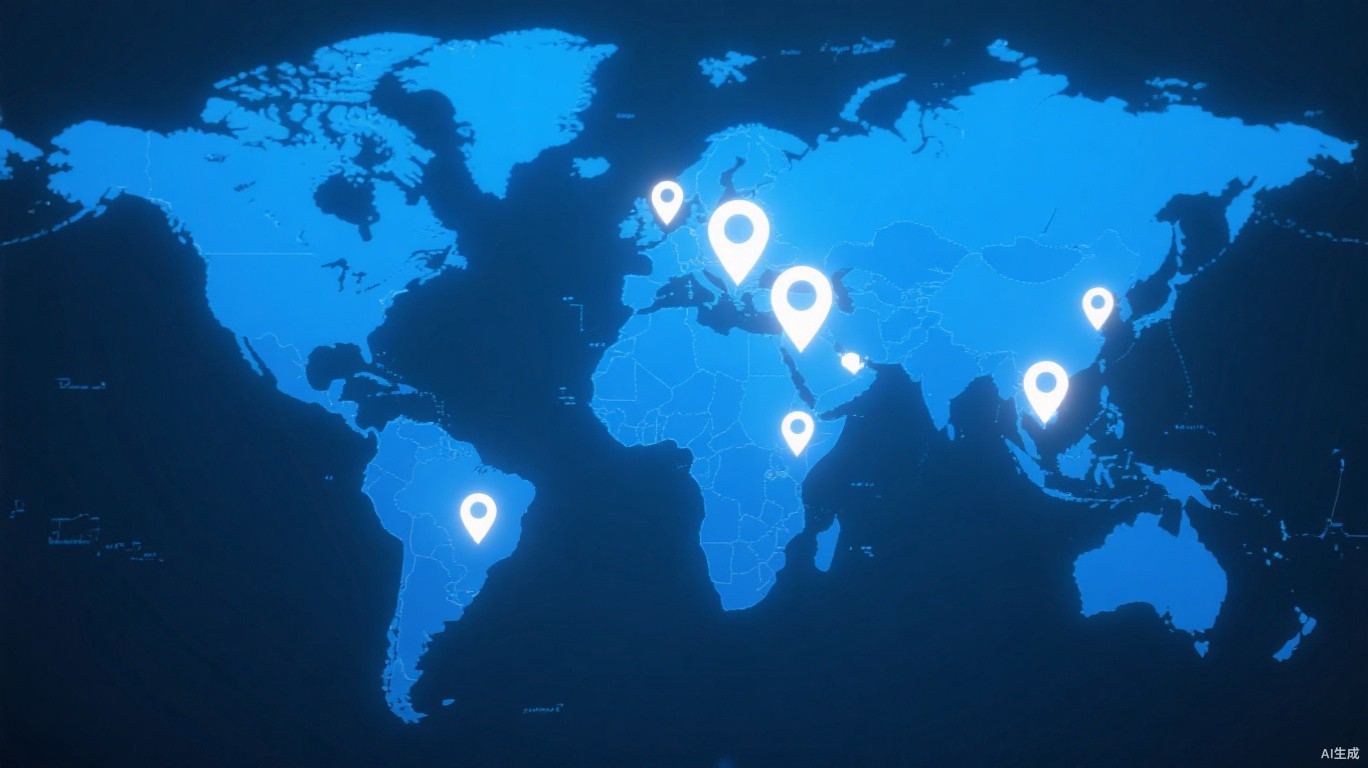
按地區劃分的顶级代孕目的地
Explore surrogacy options across the globe, organized by region for easy comparison.
🇪🇺欧洲
烏克蘭
格鲁吉亞
俄罗斯
塞浦路斯
希腊
🌎北美洲
美國
加拿大
墨西哥
🌍南美洲
哥伦比亞
阿根廷
Brazil
🌏亞洲
印度
泰國
柬埔寨
吉爾吉斯斯坦
🌍非洲
肯尼亞
加纳
Nigeria
8 Factors for Choosing a Surrogacy Country
When evaluating surrogacy destinations, consider these critical factors to find the best fit for your family.
Legal Security
Clear laws, enforceable contracts, and established parental rights procedures are the foundation of a safe surrogacy journey.
Cost
Total costs vary dramatically, from $30K in some countries to $150K+ in the US. Consider all fees, not just the base price.
Timeline
Wait times for surrogate matching and legal processes can add months. Some countries have significantly faster timelines than others.
Travel Requirements
Consider how many trips you will need to make, travel costs, visa requirements, and time you will need to spend abroad.
Language
Communication with your surrogate, clinic, and legal team is essential. Consider language barriers and translation services.
Cultural Fit
Comfort with the local culture, attitudes toward surrogacy, and the treatment of surrogates vary significantly by country.
Donor Availability
If you need egg or sperm donation, the size and diversity of donor databases can vary dramatically between countries.
Citizenship
Will your child automatically get your citizenship? Can they get dual citizenship? This affects passports and travel home.
Country Comparison Matrix
Compare 15 top surrogacy countries across critical factors in one comprehensive table.
| 國家 | 法律地位 | Total Cost | Timeline | Singles Allowed | LGBTQ+ Friendly | Medical Standard | English Support | Travel Required |
|---|---|---|---|---|---|---|---|---|
| 美國 | 完全合法 | $100K-$150K+ | 15-24 months | Yes | Yes | Excellent | Yes | 1-3 trips |
| 加拿大 | Altruistic | $70K-$100K | 18-30 months | Yes | Yes | Excellent | Yes | 2-4 trips |
| 烏克蘭 | 完全合法 | $45K-$65K | 12-18 months | No | No | Good | Limited | 2-3 trips |
| 格鲁吉亞 | 完全合法 | $40K-$55K | 10-16 months | No | No | Good | Moderate | 2-3 trips |
| 俄罗斯 | 完全合法 | $50K-$70K | 12-18 months | Yes | No | Good | Limited | 2-3 trips |
| 塞浦路斯 | 完全合法 | $55K-$75K | 12-18 months | No | No | Very Good | Good | 2-3 trips |
| 希腊 | 受限 | $50K-$70K | 12-18 months | Single women | Female couples | Very Good | Moderate | 2-3 trips |
| 墨西哥 | State Varies | $50K-$80K | 12-18 months | Varies | Varies | Good | Moderate | 1-2 trips |
| 哥伦比亞 | 完全合法 | $55K-$80K | 14-20 months | Yes | Yes | Good | Moderate | 2-3 trips |
| 阿根廷 | 灰色地带 | $45K-$65K | 14-20 months | Yes | Yes | Good | Limited | 2-4 trips |
| 肯尼亞 | 完全合法 | $40K-$60K | 12-18 months | Limited | No | Moderate | Yes | 2-3 trips |
| 加纳 | Permitted | $35K-$55K | 12-18 months | Limited | No | Moderate | Yes | 2-3 trips |
| 印度 | 受限 | N/A (foreigners) | N/A | No | No | Good | Yes | N/A |
| 泰國 | 受限 | N/A (foreigners) | N/A | No | No | Good | Moderate | N/A |
| 吉爾吉斯斯坦 | 完全合法 | $35K-$50K | 10-16 months | Varies | No | Moderate | Limited | 2-3 trips |
Popular Country Profiles
In-depth summaries of the five most popular surrogacy destinations for international intended parents.
 🇺🇦
烏克蘭
- Strong, clear legal framework
- Automatic parental rights at birth
- Large, experienced surrogate pool
- Well-established IVF clinics
- Mid-range pricing for Europe
- Geopolitical considerations apply
 🇬🇪
格鲁吉亞
- Most affordable European option
- Clear legal framework in place
- Growing number of clinics & agencies
- Faster matching than other countries
- Good medical facilities
- Limited to married hetero couples
 🇺🇸
美國
- Highest legal protections globally
- Pre-birth parentage orders available
- Fully inclusive of all family types
- World-class medical facilities
- Most expensive option
- State-by-state legal variation
 🇨🇴
哥伦比亞
- Fully inclusive for all family types
- Strong constitutional protections
- Excellent fertility clinics
- Growing surrogacy infrastructure
- Legal process through courts
- Popular with gay couples & singles
 🇨🇦
加拿大
- Altruistic surrogacy only by law
- Fully inclusive for all families
- Excellent healthcare system
- Strong legal protections
- Long wait times (limited pool)
- Provincial variation in laws
Cross-Border Surrogacy Factors
Pursuing surrogacy in another country adds layers of complexity beyond what domestic surrogacy involves. These six factors are critical to understand before committing to international surrogacy.
-
1
Citizenship & Passport Issues
Your child may or may not automatically acquire your citizenship depending on your home country’s laws. You may need to go through a citizenship application process, DNA testing, and embassy procedures before your child can travel home.
-
2
Multiple Legal Systems
International surrogacy means navigating at least two legal systems simultaneously. What is legal in the surrogacy country may not be recognized in your home country, and vice versa. You need expert legal advice in both jurisdictions.
-
3
Travel & Logistics
You may need to make multiple trips to the surrogacy country for embryo transfer, prenatal appointments, and the birth. Travel costs, visa requirements, time away from work, and language barriers all add to the complexity.
-
4
Medical Coordination
Coordinating medical care across borders can be challenging. You may need to share medical records between your home clinic and the international clinic, and arrange for local prenatal care and monitoring.
-
5
Currency & Payment Risks
International payments, currency fluctuations, and escrow management across borders add financial complexity. Make sure you understand payment schedules, escrow protections, and any currency exchange fees involved.
-
6
Ethical & Human Rights
International surrogacy raises important ethical questions about the treatment and protection of surrogates, particularly in lower-income countries. Ensure your agency follows ethical practices and that surrogates are treated fairly and with dignity.

各國代孕费用排行榜(從低到高)
2026年全球代孕總费用對比,涵盖医疗、法律、代母补偿等全部核心费用
| 排名 | 國家 | 總费用(USD) | 费用區间 |
|---|---|---|---|
| 1 | 🇰🇪肯尼亞 |
$35,000 – $45,000 | |
| 2 | 🇬🇪格鲁吉亞 |
$40,000 – $55,000 | |
| 3 | 🇺🇦烏克蘭 |
$45,000 – $60,000 | |
| 4 | 🇲🇽墨西哥 |
$45,000 – $65,000 | |
| 5 | 🇨🇴哥伦比亞 |
$50,000 – $70,000 | |
| 6 | 🇬🇷希腊 |
$55,000 – $75,000 | |
| 7 | 🇦🇷阿根廷 |
$55,000 – $75,000 | |
| 8 | 🇨🇾塞浦路斯 |
$60,000 – $80,000 | |
| 9 | 🇨🇦加拿大 |
$70,000 – $100,000 | |
| 10 | 🇺🇸美國 |
$120,000 – $180,000 |
* 费用為基础代孕套餐估算,不含捐卵/捐精、基因检测、多次移植等额外费用。实际费用因個人情况而異。
代孕法律保護力度排名
基於立法完善度、亲子權認定、合同可執行性、司法保障等维度综合评分
代孕成功率國际對比表
各國IVF胚胎移植活产率數據對比,成功率受年龄、胚胎质量、诊所水平等多因素影响
| 國家 | 35歲以下活产率 | 35-37歲活产率 | 38-40歲活产率 | 41-42歲活产率 | 累計成功率(3周期) |
|---|---|---|---|---|---|
🇺🇸美國 |
52-58% | 45-50% | 32-38% | 18-22% | 75-85% |
🇨🇦加拿大 |
48-55% | 40-46% | 28-34% | 15-20% | 70-78% |
🇬🇪格鲁吉亞 |
45-52% | 38-44% | 25-32% | 12-18% | 65-75% |
🇺🇦烏克蘭 |
46-53% | 39-45% | 26-33% | 13-19% | 65-72% |
🇨🇴哥伦比亞 |
42-48% | 35-42% | 22-28% | 10-15% | 60-70% |
🇬🇷希腊 |
40-47% | 33-40% | 20-26% | 9-14% | 58-68% |
🇲🇽墨西哥 |
38-45% | 30-37% | 18-24% | 8-13% | 55-65% |
🇦🇷阿根廷 |
40-46% | 32-39% | 20-26% | 9-14% | 58-68% |
* 數據来源於2024-2025年各國生殖医学会及CDC、SART等官方報告。成功率指单次胚胎移植活产率,实际成功率因個体差異而異。
累計成功率指经過最多3個IVF周期后的累計活产概率。
Frequently Asked Questions About Surrogacy Countries
Answers to common questions about choosing a country for your surrogacy journey.
The cheapest countries for surrogacy are typically found in Eastern Europe, Central Asia, and Africa. Kyrgyzstan, Ghana, Nigeria, and Georgia generally offer the lowest total costs, ranging from $35,000 to $55,000. However, the cheapest option is not always the best. Lower-cost destinations may have less established legal frameworks, fewer regulations, lower medical standards, or higher risk of complications. It is essential to balance cost with legal security, medical quality, and your own personal circumstances when choosing a surrogacy destination.
For same-sex couples, the United States (particularly California, New York, and other surrogacy-friendly states) offers the strongest legal protections and is fully inclusive. Colombia is the most popular commercial surrogacy destination that is fully inclusive of LGBT couples. Canada and the United Kingdom also offer fully inclusive altruistic surrogacy programs. Many popular commercial surrogacy destinations, including Ukraine, Georgia, and Russia, restrict surrogacy to heterosexual married couples only.
Yes, but options are more limited. Countries that allow single intended parents to pursue surrogacy include the United States (most states), Canada, the UK, Australia, Colombia, Russia, and some others. However, many popular commercial surrogacy destinations like Ukraine and Georgia restrict access to married couples only. If you are single and considering international surrogacy, Colombia and Russia are among the commercial surrogacy destinations that allow single parents, though requirements and processes vary.
Generally yes, it is legal to travel to another country for surrogacy, as long as the surrogacy itself is legal in the destination country. However, the legal complexities arise when you try to bring your child back to your home country. Some countries have specific restrictions on recognizing surrogacy births from abroad, and you may need to go through adoption or other legal processes to establish parentage. It is essential to consult with both a local attorney in the surrogacy country and an attorney in your home country who specializes in international surrogacy.
Assessing legal stability involves looking at several factors: how long surrogacy has been legal in that country, whether the laws are clearly written statutes or just court rulings, whether there have been recent legislative debates or proposed changes, and whether the government has a track record of enforcing or changing surrogacy regulations. Countries with well-established, clearly legislated frameworks like Ukraine and certain US states are generally considered more stable. Countries that have had recent sudden changes, or where surrogacy exists in a legal gray area, carry more risk.
If laws change during your surrogacy journey, the impact depends on the nature of the change, whether there are grandfather clauses for existing arrangements, and what stage of the process you are in. In some cases, changes are prospective only and do not affect existing pregnancies. In other cases, changes can disrupt arrangements significantly. This is why it is important to work with experienced agencies and attorneys who monitor legislative developments closely. Having contingency plans and understanding the legal risks before you begin is also essential.
No, you do not need to live in the country where your surrogate lives. Most international surrogacy arrangements involve intended parents traveling to the surrogacy country for specific events: the initial consultation and screening, the embryo transfer, and the birth. The number of trips and the length of stay vary by country and program. Some countries require intended parents to be present for the birth and to stay for several weeks or more while legal paperwork is processed. Your agency will advise you on the specific travel requirements for your chosen destination.
Citizenship transmission rules vary by country. In many countries, including the United States and most European countries, citizenship is typically transmitted to children born abroad through at least one citizen parent, but there may be requirements regarding genetic relationship, residency, or marriage. The process often involves DNA testing to prove the genetic relationship, applying for citizenship or a passport through your embassy or consulate abroad, and providing documentation of the surrogacy arrangement. Some countries require additional steps like adoption or second-parent adoption to establish legal parentage for non-genetic parents.
The United States is generally considered to offer the highest level of legal protection and medical quality for surrogacy, but it is also the most expensive. Whether it is “best” depends on your priorities. If your top priorities are legal security, medical excellence, and inclusivity for all family types, the US is an excellent choice. If your top priority is affordability, there are much more affordable options in other countries. The “best” country is the one that best matches your specific needs, budget, family structure, and risk tolerance.
In most cases, the egg donor will be from the same country where the IVF and surrogacy take place, as the egg retrieval and embryo creation need to happen at the same clinic that will perform the embryo transfer. However, some programs allow for shipment of frozen donor eggs from another country, or you may be able to use a known donor who travels to the clinic location. The rules and feasibility vary by country and clinic. If you have specific requirements for an egg donor (ethnic background, etc.), ask agencies about their donor pool diversity before committing.
2026代孕合法國家分级速查
| 分级 | 國家 | 代孕类型 | 适合家庭 |
|---|---|---|---|
| A级(全面商業) | 美國、格鲁吉亞、俄罗斯、哈萨克斯坦 | 商業代孕 | 多數家庭结構 |
| B级(利他代孕) | 加拿大、英國、澳大利亞、新西蘭、希腊 | 利他代孕 | 符合當地条件家庭 |
| C级(有条件商業) | 哥伦比亞、阿根廷、墨西哥、塞浦路斯 | 有限制商業代孕 | 特定家庭结構 |
| 灰色地带 | 泰國、印度、尼泊爾、柬埔寨 | 限制外國人 | 不推荐 |
常見误區
2026年各國代孕政策变化速览
2026年全球代孕政策呈现”冰火两重天”:一方面,美國部分州(如阿肯色、田纳西)进一步收紧商業代孕,對代孕母亲补偿设置上限;另一方面,哥伦比亞、阿根廷、墨西哥持续放宽對LGBT與单身人士的限制。泰國2026年仍维持”僅限本地異性戀已婚伴侣”的利他代孕政策,外國人通過泰國代孕仍属灰色地带。
值得关注的新兴目的地包括哈萨克斯坦(允许商業代孕,费用约4萬–6萬美元)、肯尼亞(對单身父亲友好,费用约4萬–5萬美元)、塞浦路斯(欧洲性价比之选,费用约5萬–7萬美元)。但新兴目的地的法律與医疗配套尚在完善,建議选擇有豐富跨境经验的機構協助。
專家实用建議
- 选擇目的地時综合考慮法律友好度、费用、成功率、與本國的距离,而非僅看价格。
- 避免选擇法律灰色地带國家,一旦政策突变可能面临亲權無法認定的困境。
- 关注目的國與本國是否有司法協助条约,便於亲權令的跨境承認。